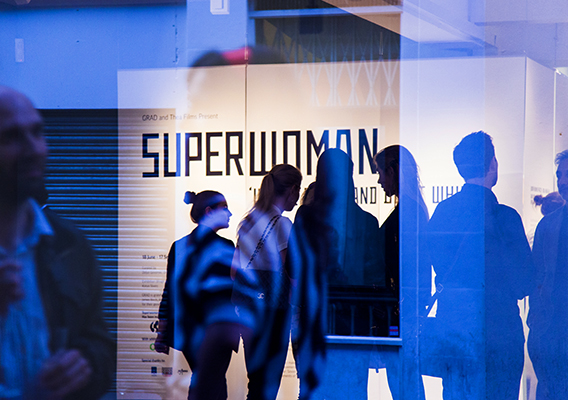
Superwoman: ‘Work, Build and Don’t Whine'
18 June — 15 October 2016
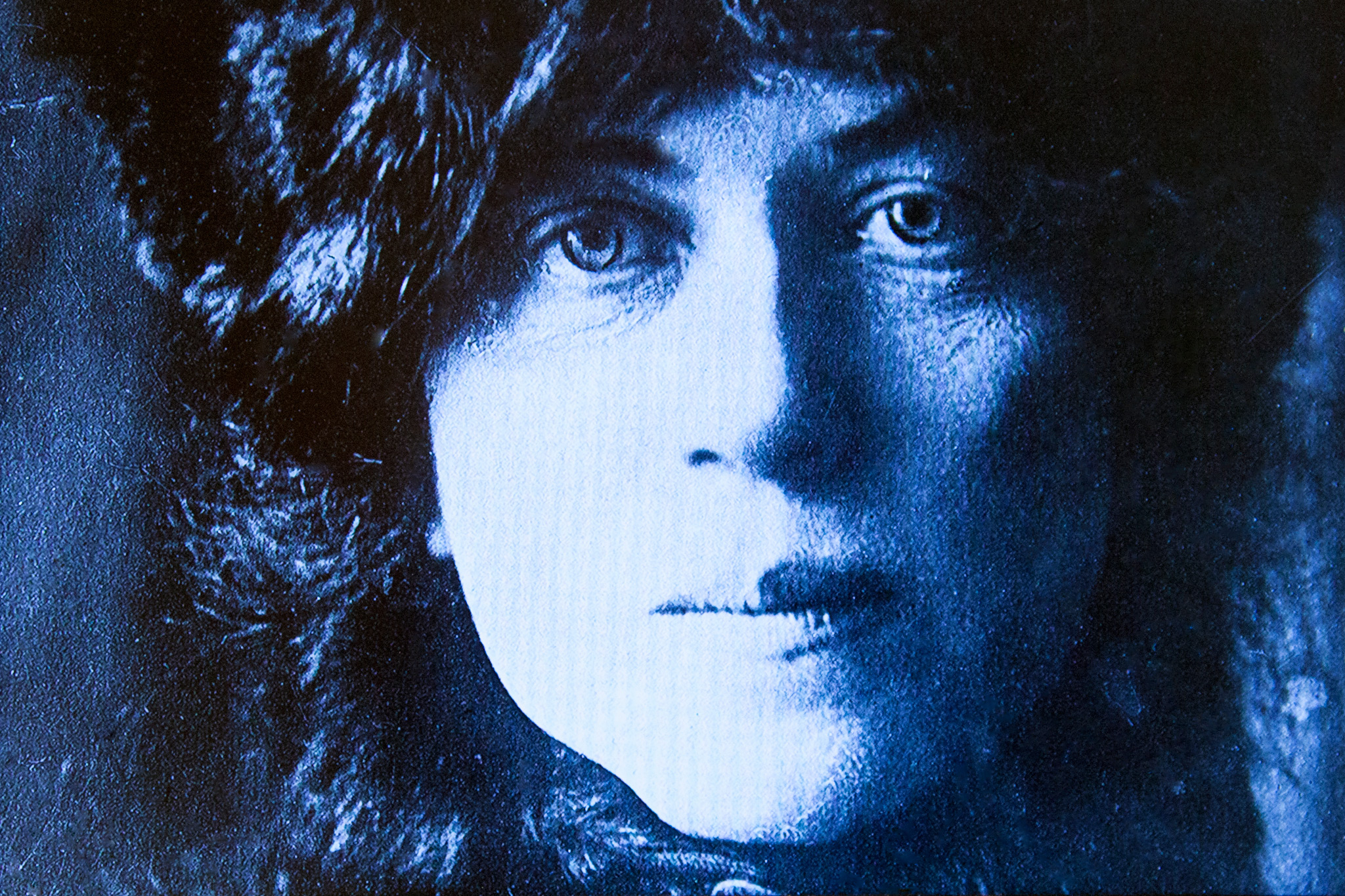
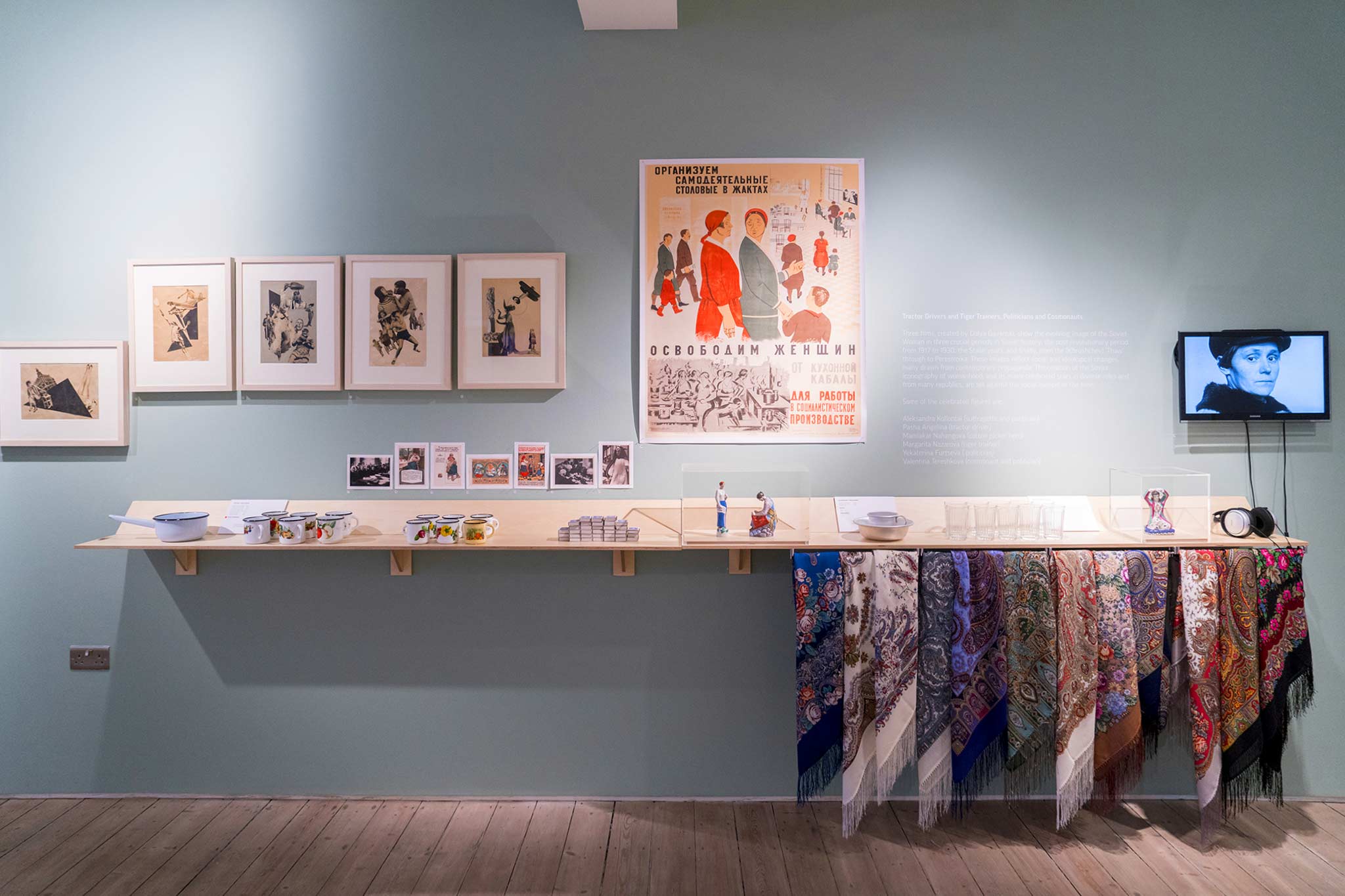
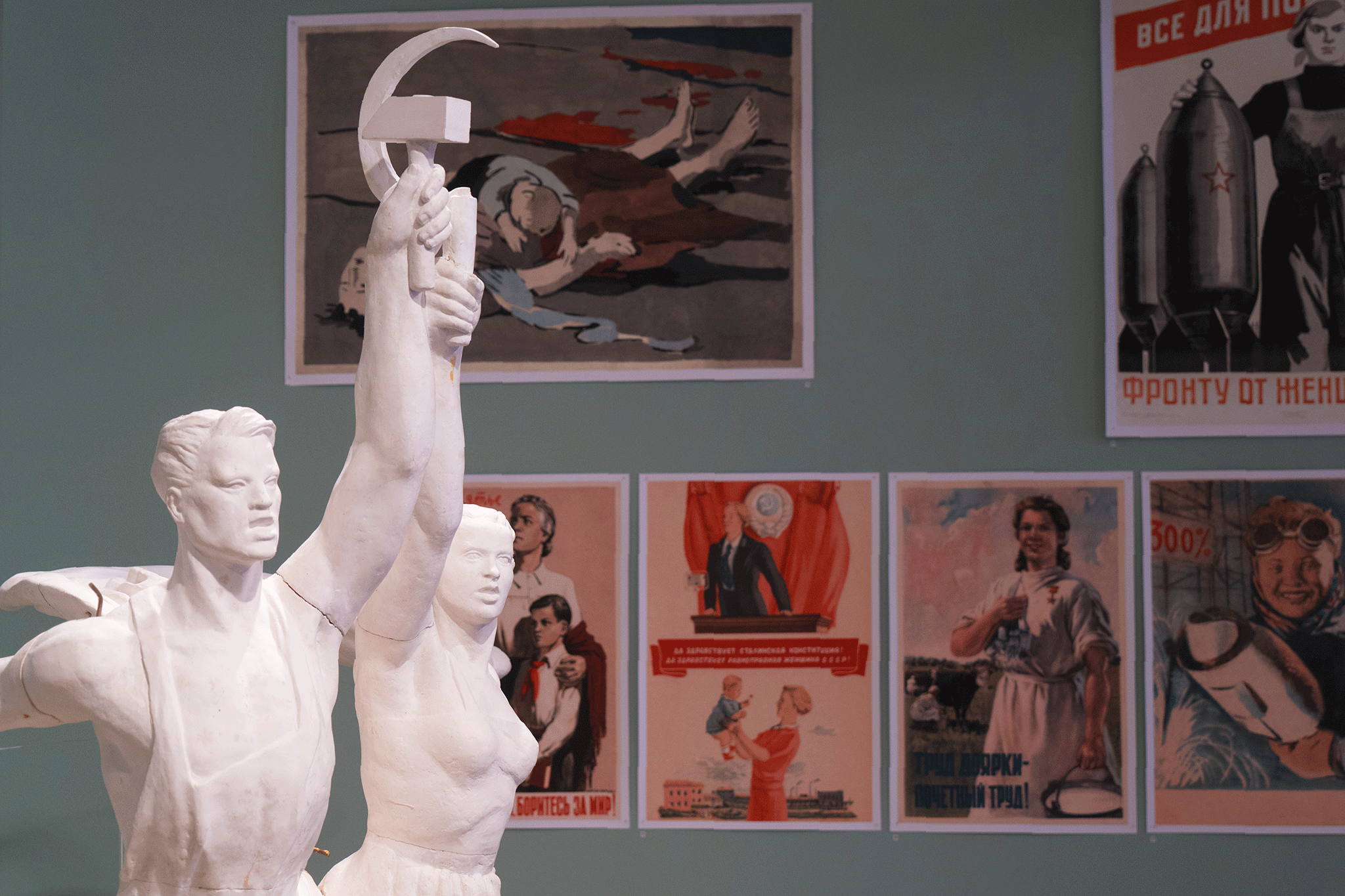
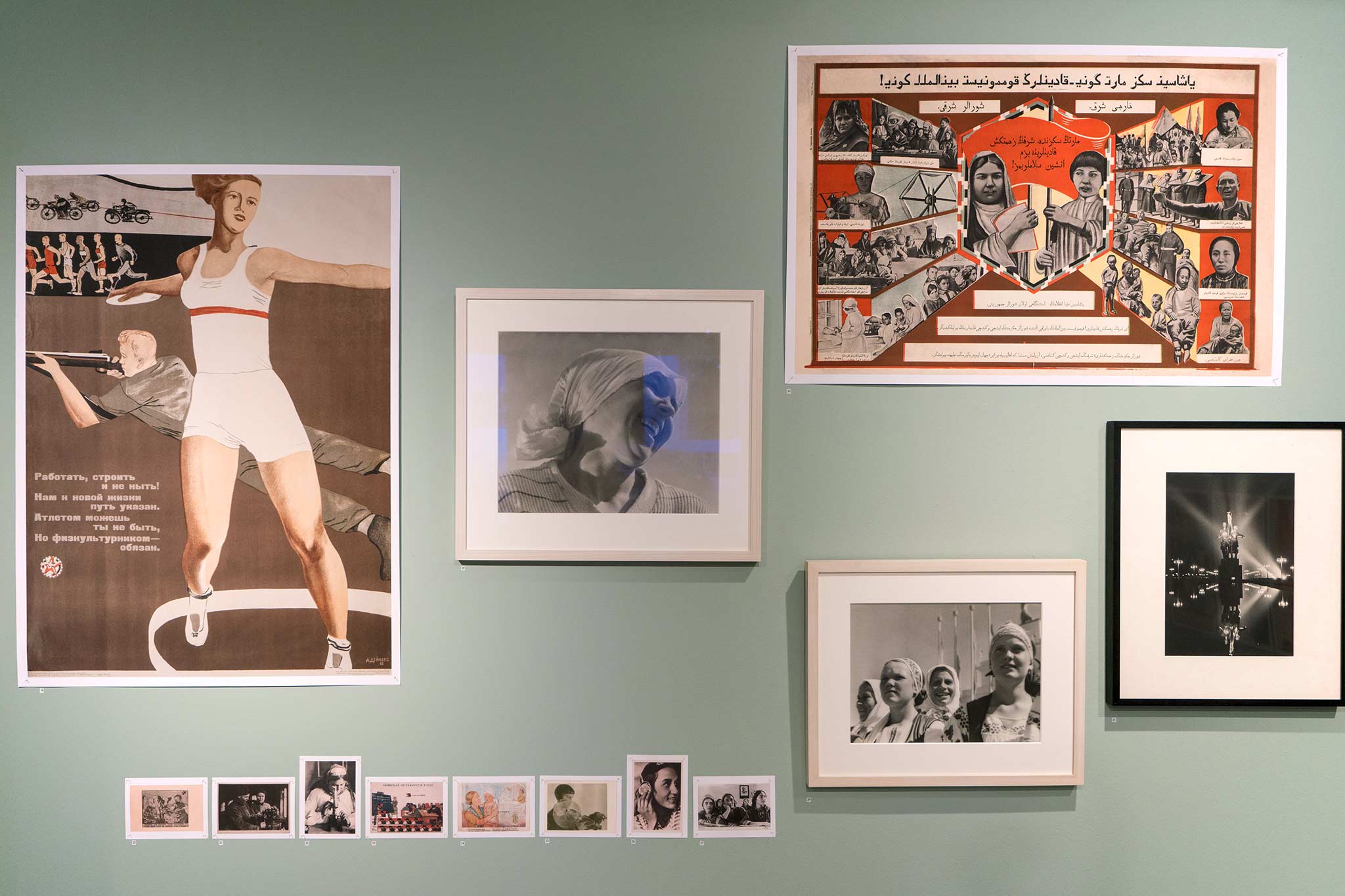
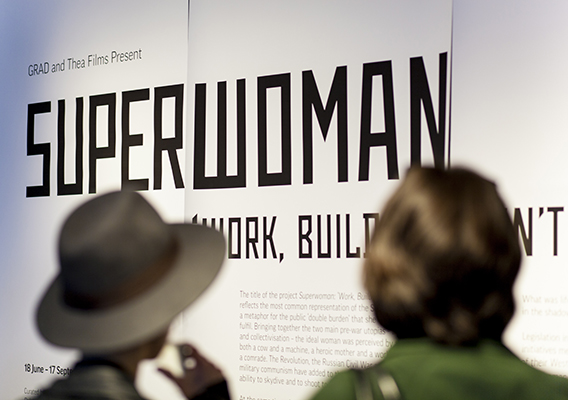
Superwoman: ‘Work, Build and Don’t Whine'
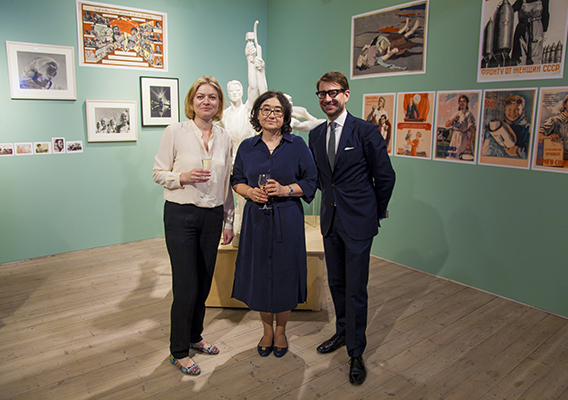
Curated by Dolya Gavanski, Dr Natalia Murray, Nadia Plungian
Exhibition design by Katya Sivers
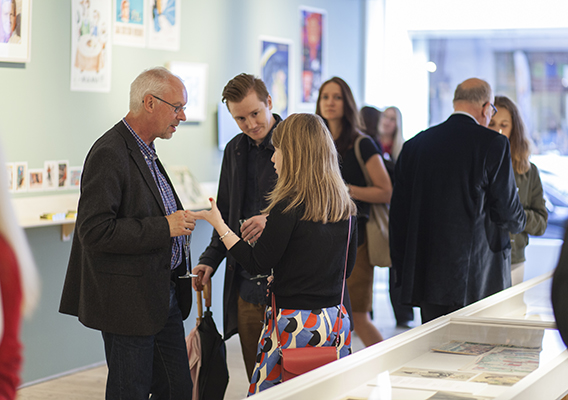
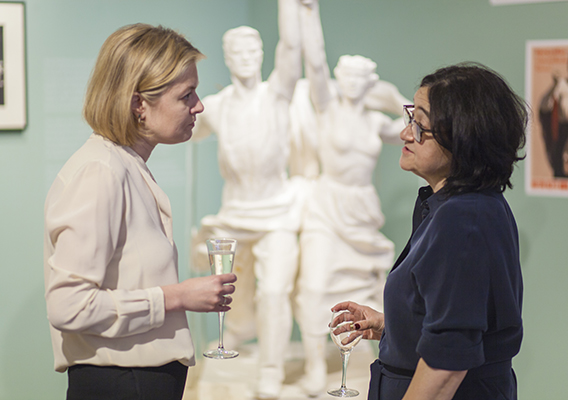
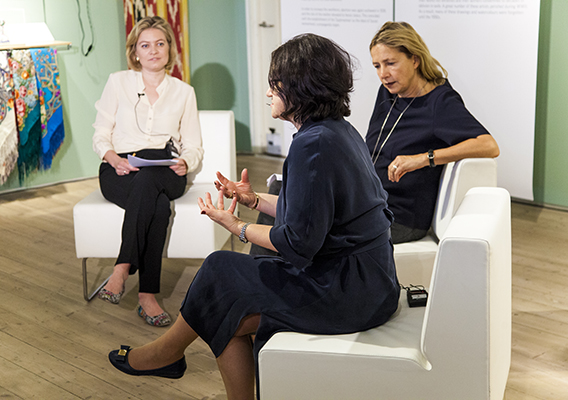
Photographs by Natalia Tarasova
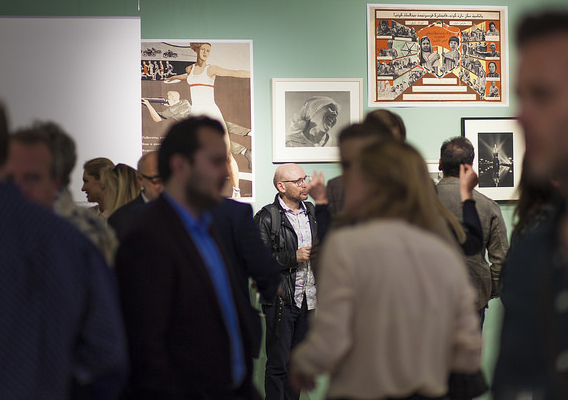
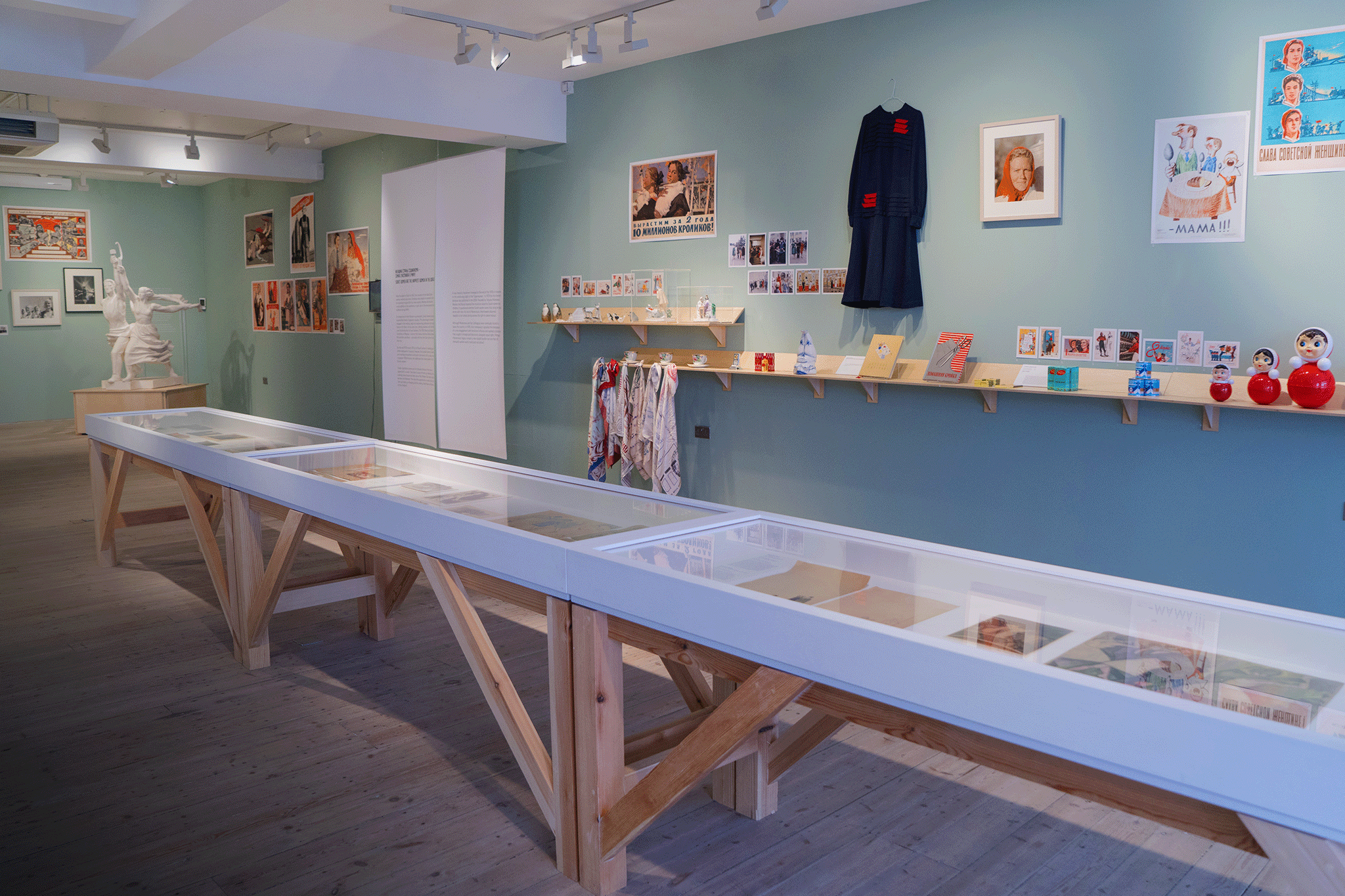
The title of the project Superwoman: ‘Work, Build and Don’t Whine’ reflects the most common representation of the Soviet woman and is a metaphor for the public ‘double burden’ that she was expected to fulfil. Bringing together the two main pre-war utopias - industrialisation and collectivisation - the ideal woman was perceived by the State as both a cow and a machine, a heroic mother and a worker, a baba and a comrade. The Revolution, the Russian Civil War and the period of military communism have added to these contradictory qualities the ability to skydive and to shoot to kill.
At the same time, the image of the ideal Soviet woman has a hidden history. The constant marking out of the ‘gendered other’ resonated with many other dichotomies of the Bolshevik rhetoric. ‘Former people’ of Tsarist Russia were off-set against the ‘new, happy people of the Soviet land’ and ‘special prisoners’ contrasted with ‘responsible workers’.
Could pretty-bourgeois women and sportswomen, or former noblewomen and female delegates have much in common? Paradoxically, they could sometimes be the very same people. From the female workers who sparked the first 1917 revolution to the activists who pushed women’s issues to the heart of Bolshevik policy, from the factory workers who implemented Stalin’s five-year-plan to the millions of mothers and widows who rebuilt the country after the horrors of WWII; the creation and mobilisation of the New Soviet Woman was vital for the founding, growth and stability of the Soviet Union.
GRAD is grateful to the lenders to the exhibition Ksenia Afonina, James Birch, Alex Lachmann, Yuri Petukhov, Nadia Plungian for their generous support. Superwoman: ‘Work, Build and Don’t Whine’ has been made possible by Thea Films. With additional support from: Omni.
Superwoman: ‘Work, Build and Don’t Whine’ has been made possible by Thea Films.
With additional support from: Omni.
Audio walk
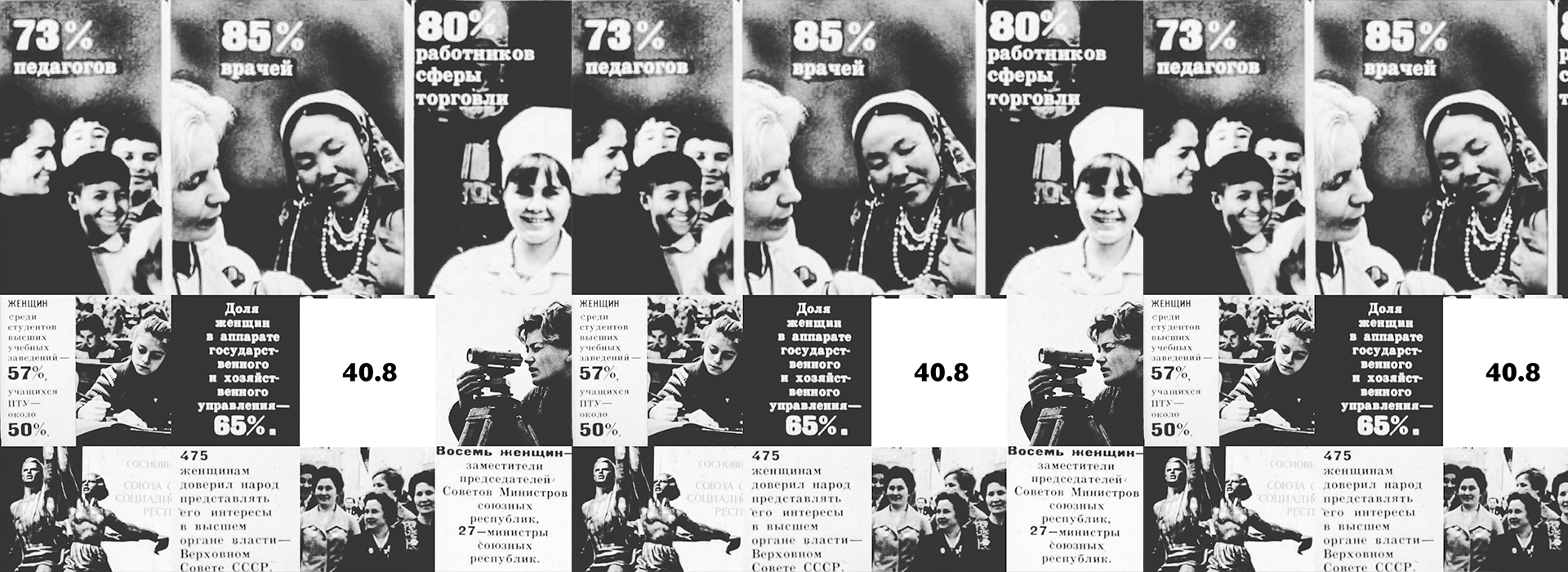
40.8 is a specially commissioned audio reflection on the theme of Superwoman by contemporary artist Alisa Oleva (born 1989). This imaginary soundscape creates a personal response to the double burden of the Soviet woman.
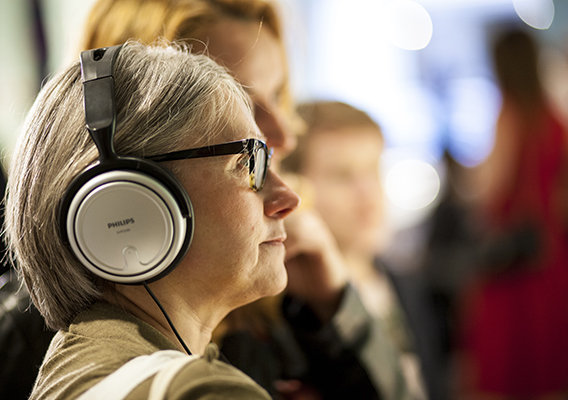
"If I think of 'Soviet Superwoman' I think of my grandmother. She would never stop. Except for the single secret moment of rest and silence she once told me about. This audio walk invites you into the world of Soviet women: into the numbers, schedules, statistics, records and achievements, with only rare moments of rest. Just put on the headphones and follow the footsteps."
MP3 players are available to borrow in the gallery or alternatively the audio walk can be downloaded via Soundcloud here.
Idea: Alisa Oleva
Voices: Alisa Oleva, Alexey Andriyanenko, Ksenia Belash, Maria Letti, Victoria Romanova
Queer Dimensions of the Soviet Woman
13 October 2016
Lecture by Dr. Nadia Plungian
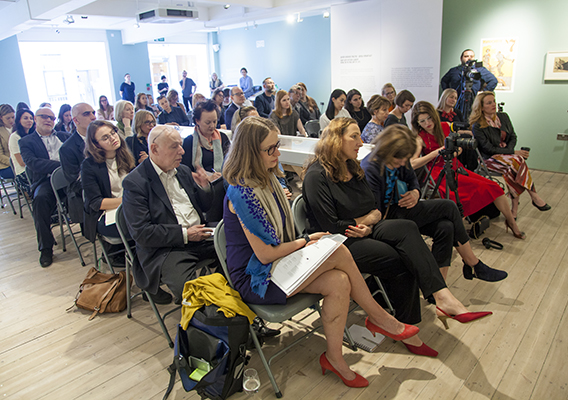
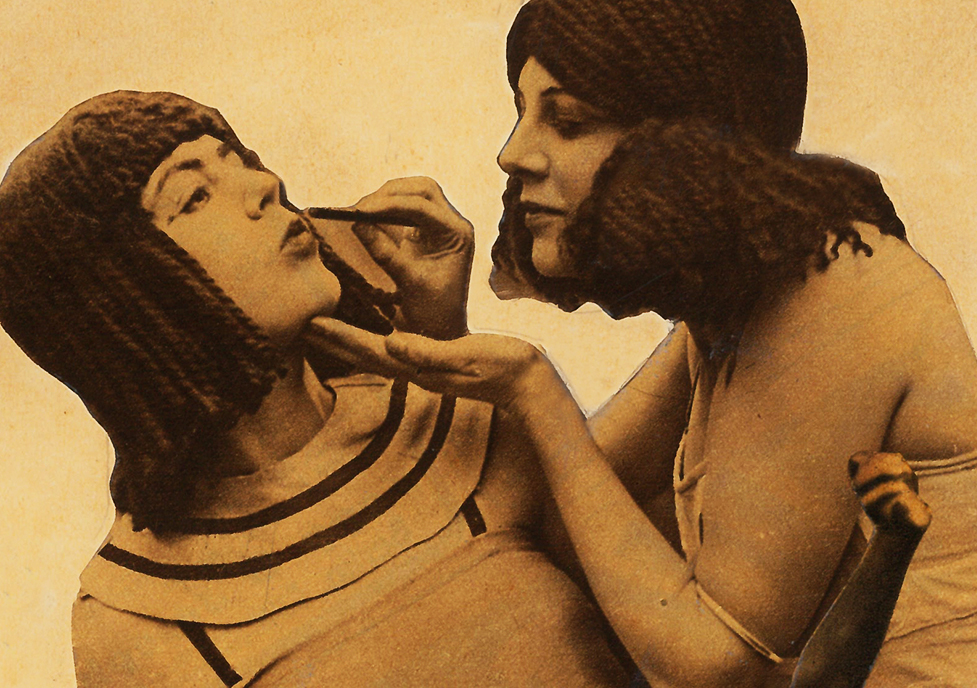
Please join us for the closing of the exhibition with the final lecture by the co-curator of the Superwoman: Work, Build and Don’t Whine Dr. Nadia Plungian who will give a historical overview of the multiple and often contradictory identities embraced by women during the Soviet period.
Collector-led tour of the Soviet Propaganda Porcelain Display at Frieze Masters
07 October 2016
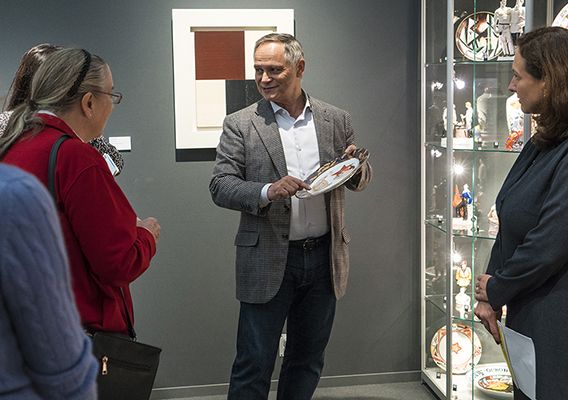
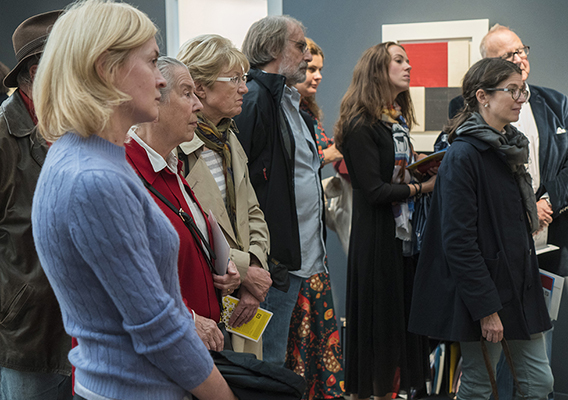
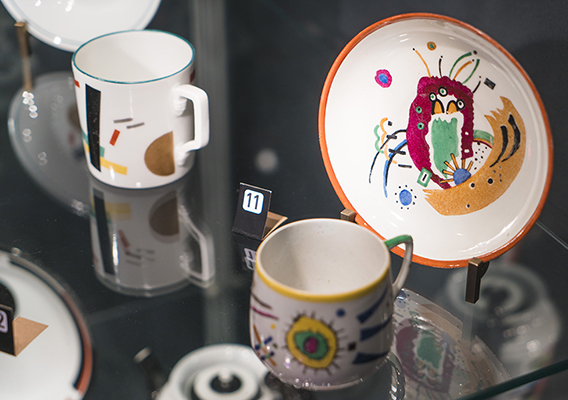
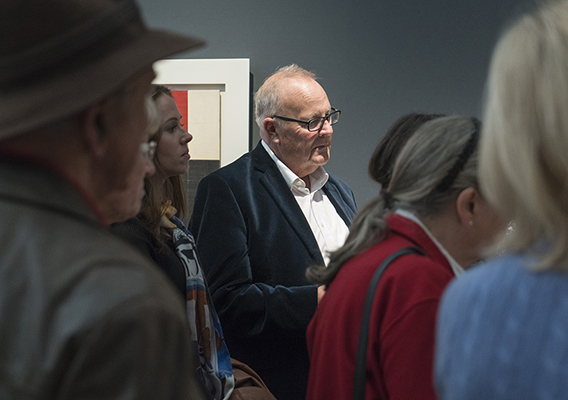
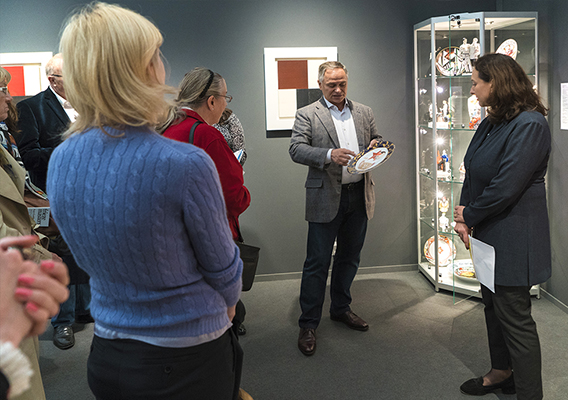
GRAD invites you to join a collector-led tour of the Soviet Propaganda Porcelain Display at Frieze Masters, in collaboration with Sophia Contemporary Gallery.
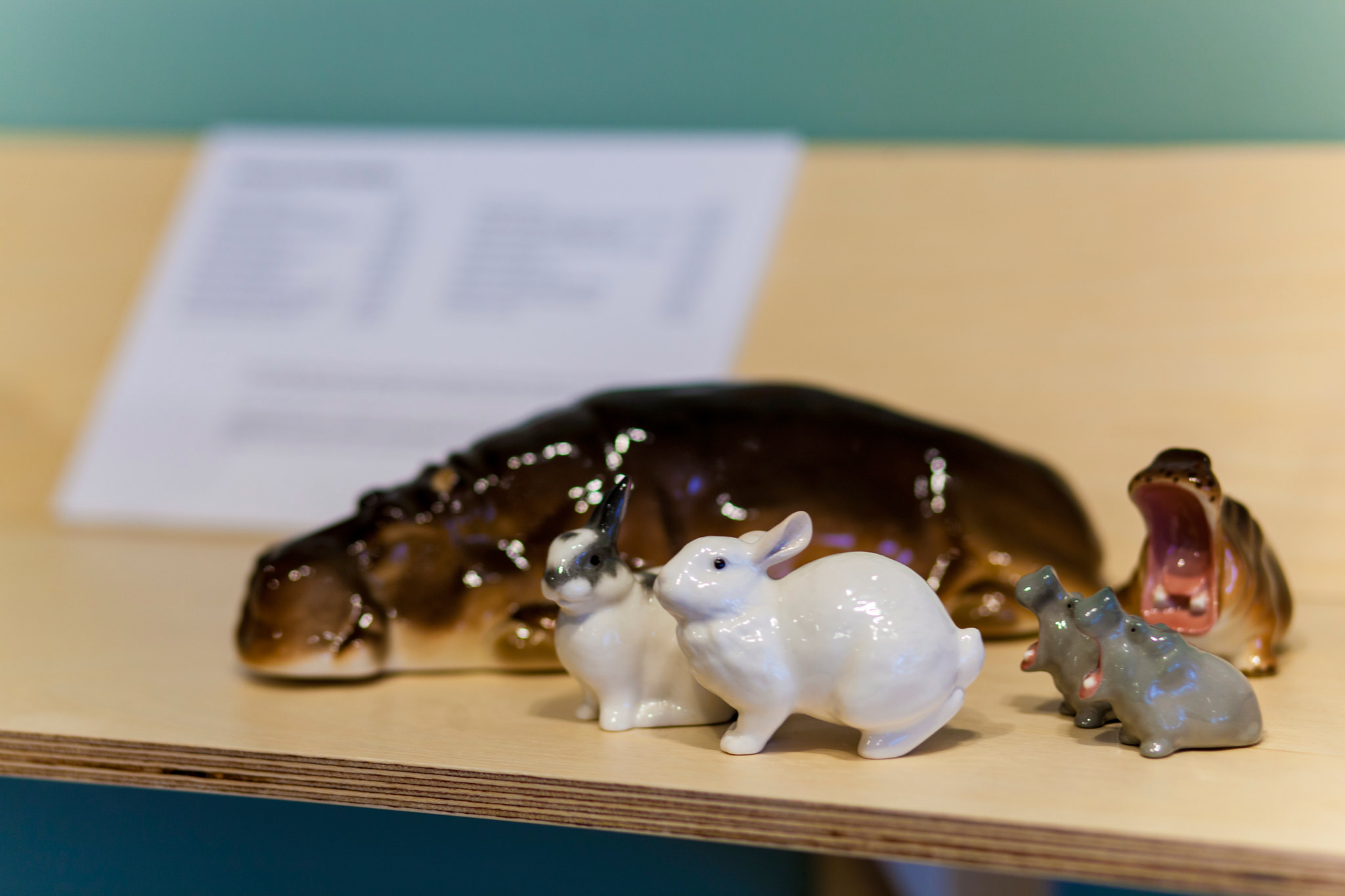
The period following the October 1917 Revolution was charged with breath-taking creativity among Soviet artists and designers who strove enthusiastically to express the new Socialists ideals in their art. In 1920s a new aesthetic and a new ideology were introduced to ceramic production and the leading artists turned to porcelain, a material in which most of them had never previously worked. At the time there was almost no attempt to create new artistic forms of any complexity. In 1918-19, the Factory continued to use the large quantities of pre-revolutionary white porcelain marked with the imperial monograms, simply painting them over with green and black rhombuses and ovals. These works belonged to the new, revolutionary era and it was declared not only by the slogans inscribed on plates and dishes, but by a new artistic language and style of decoration.
This extraordinary selection of post-revolutionary ceramics will be introduced by GRAD's curator Natalia Murray followed by a talk with the collector, curator and philanthropist Vladimir Tsarenkov.

Film screening and panel discussion 'Superwoman: the changing image and role of women'
22 September 2016

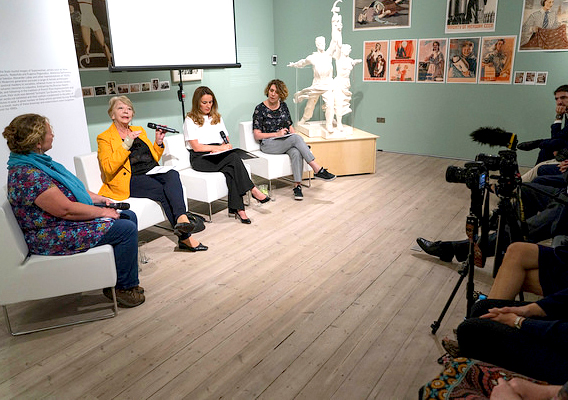
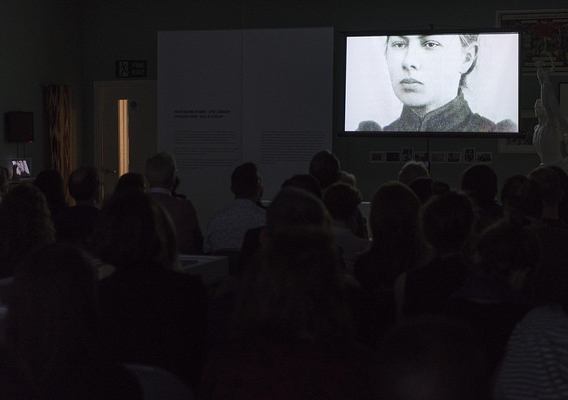
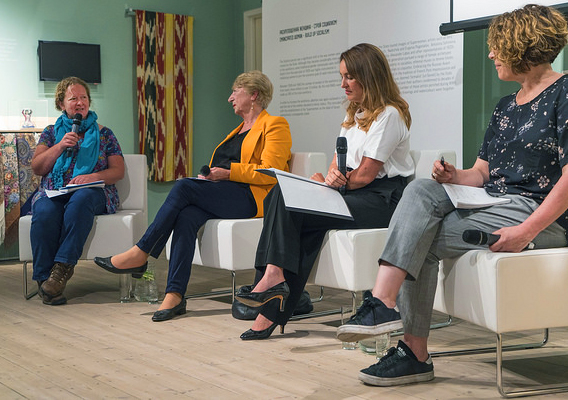
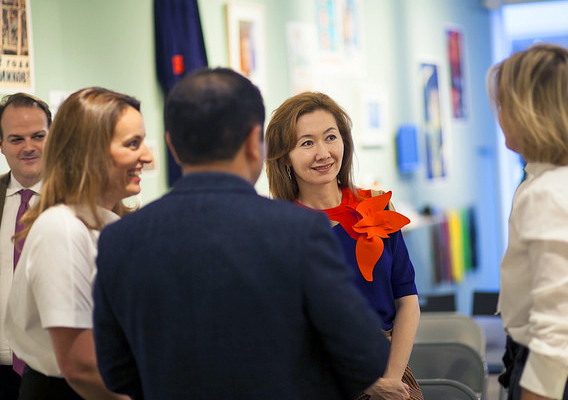
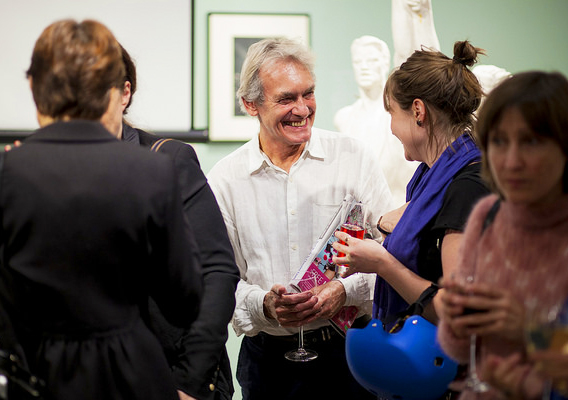
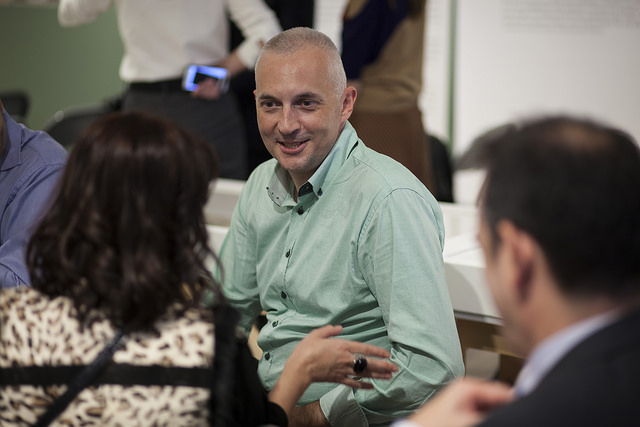
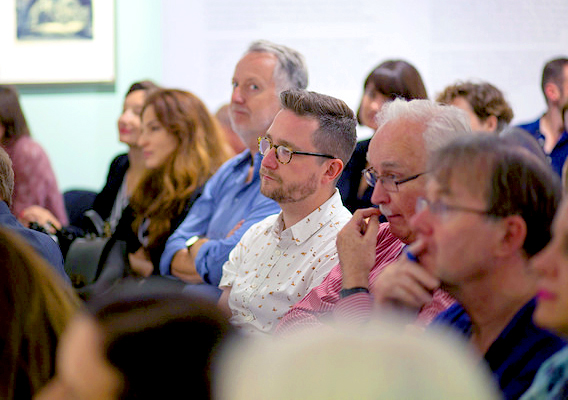
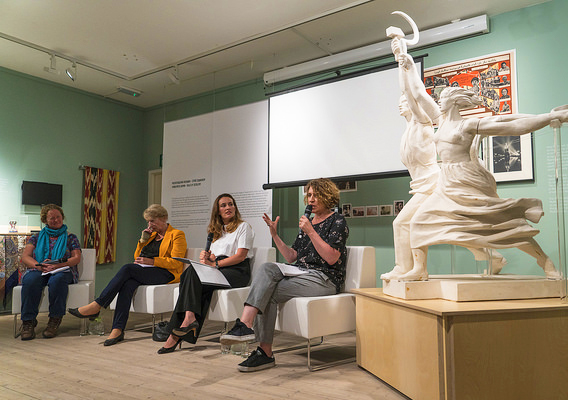
7pm–8pm panel discussion followed by reception
Thea Films and GRAD invite you to the screening of a short film trilogy, ‘Tractor Drivers and Tiger Tamers, Politicians and Cosmonauts’, followed by a roundtable discussion on the changing images and roles of women with a panel that will include filmmaker and actress Dolya Gavanski, journalist and explorer Phoebe Taplin, playwright April de Angelis and theatre scholar Professor Maria Shevstova.
Roundtable Discussion with Masha Gordon and Natasha Tsukanova
07 July 2016
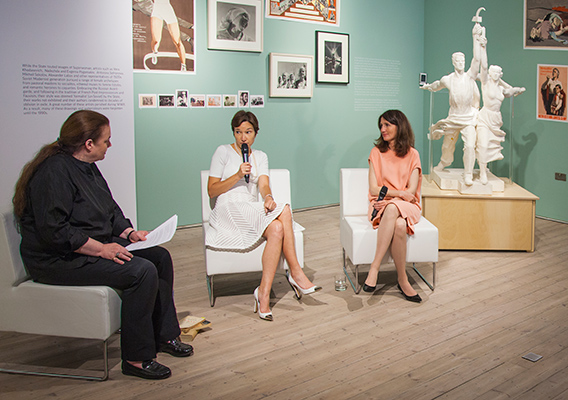
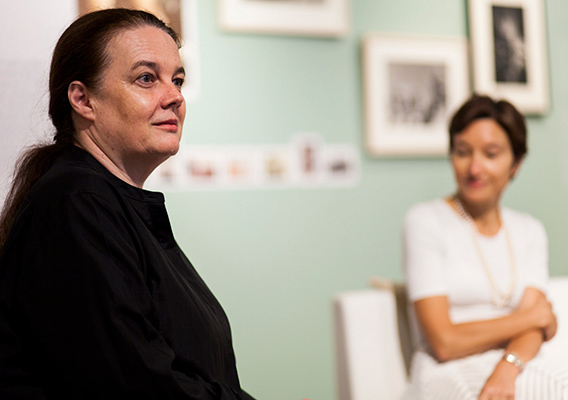
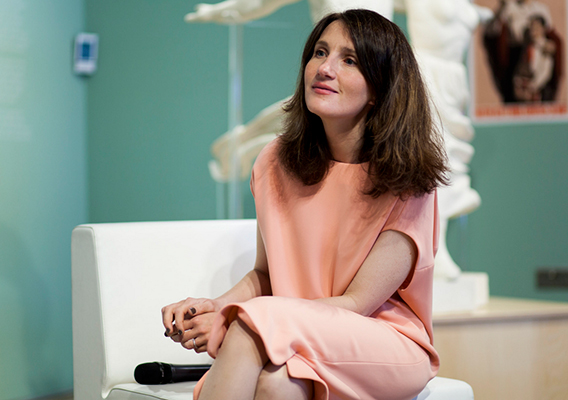
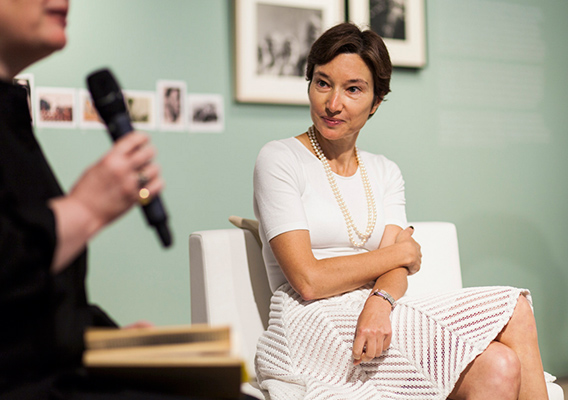

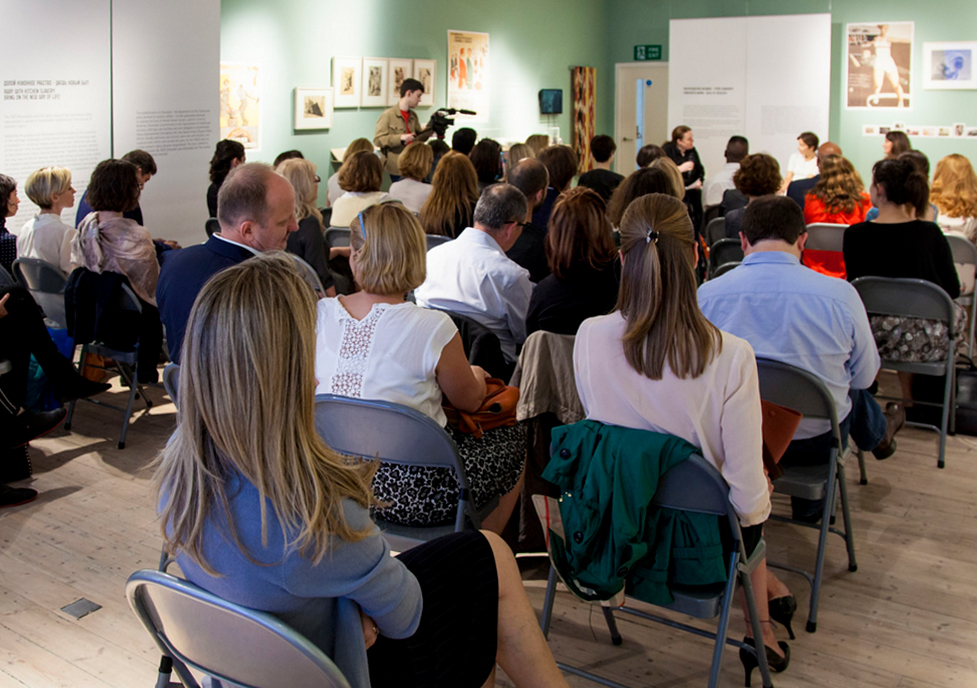
Superwoman: Financiers, Futurists And Philanthropists
A roundtable discussion between two leading international businesswomen, Masha Gordon and Natasha Tsukanova. Both are also leading philanthropists, inspiring and educating the next generation. Masha Gordon has just completed her record-breaking mountaineering challenge and set up the charity Grit & Rock to encourage young women, while Natasha Tsukanova, Founder of The Tsukanov Family Foundation, has created a charity dedicated to developing young people through arts, culture, education, heritage and science initiatives across the UK and Russia.
Nick Smedley | Hollywood and the Portrayal of the Soviet Woman: Ernst Lubitsch's Ninotchka (1939)
21 June 2016

Film historian Nick Smedley presented an exploration of the Soviet woman in 1930s Hollywood. As America prepared for war in alliance with the Soviet Union, German emigre film-maker Ernst Lubitsch directed Ninotchka, a romantic comedy that finds unexpected bonds between capitalism and communism, just as a rich playboy finds unexpected bonds with an uptight female Soviet commissar. Ninotchka was Greta Garbo's first full comedy, and her penultimate film. It was one of the first American movies which, under the cover of a satirical, light romance, depicted the Soviet Union under Joseph Stalin as being rigid and grey, in this instance comparing it with the free and sunny Parisian society of pre-war years.